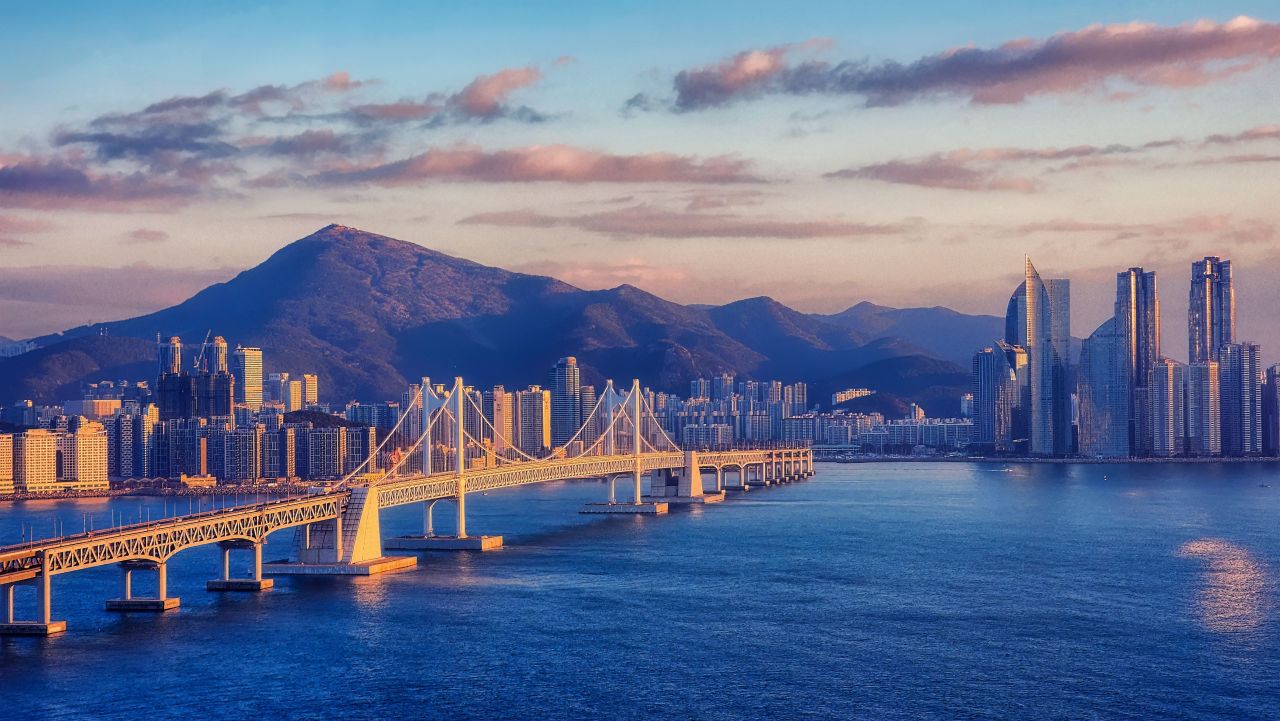
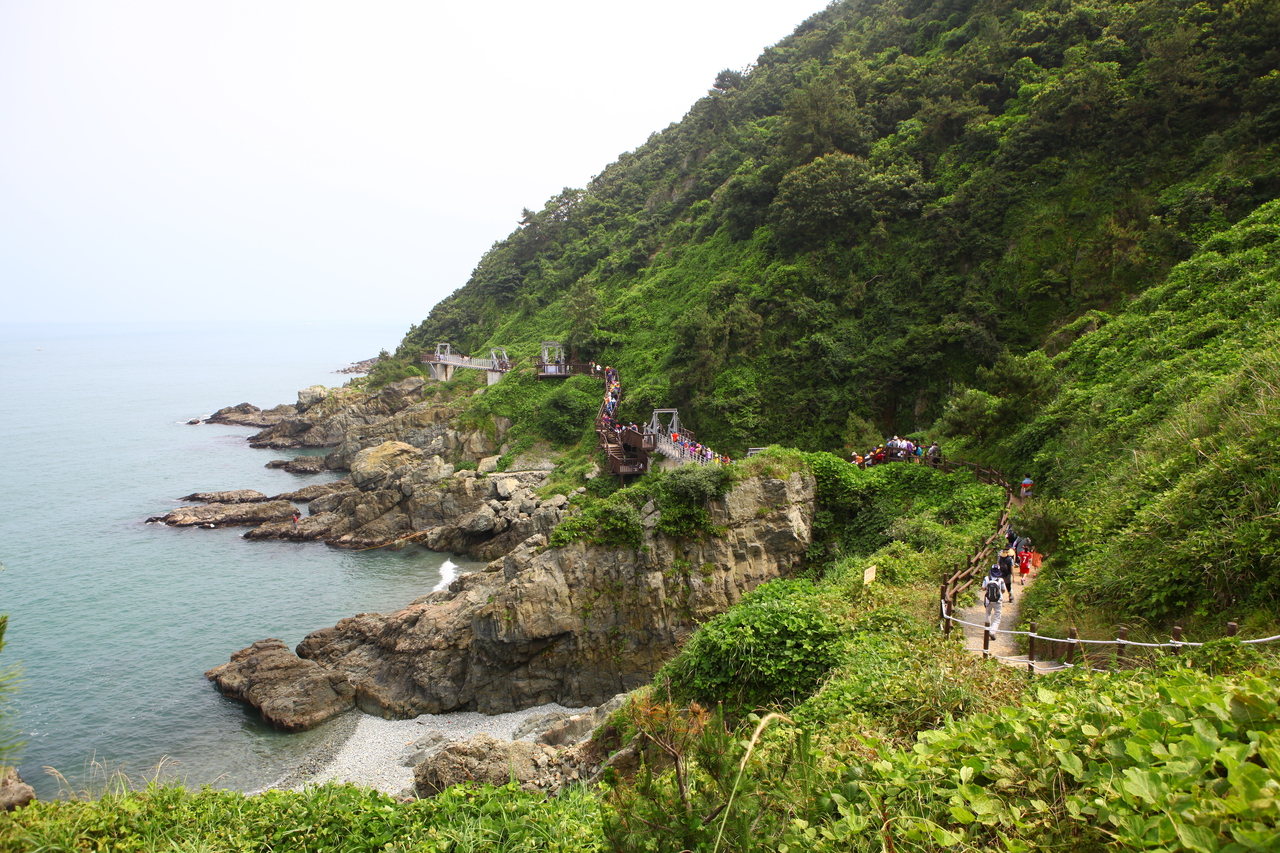
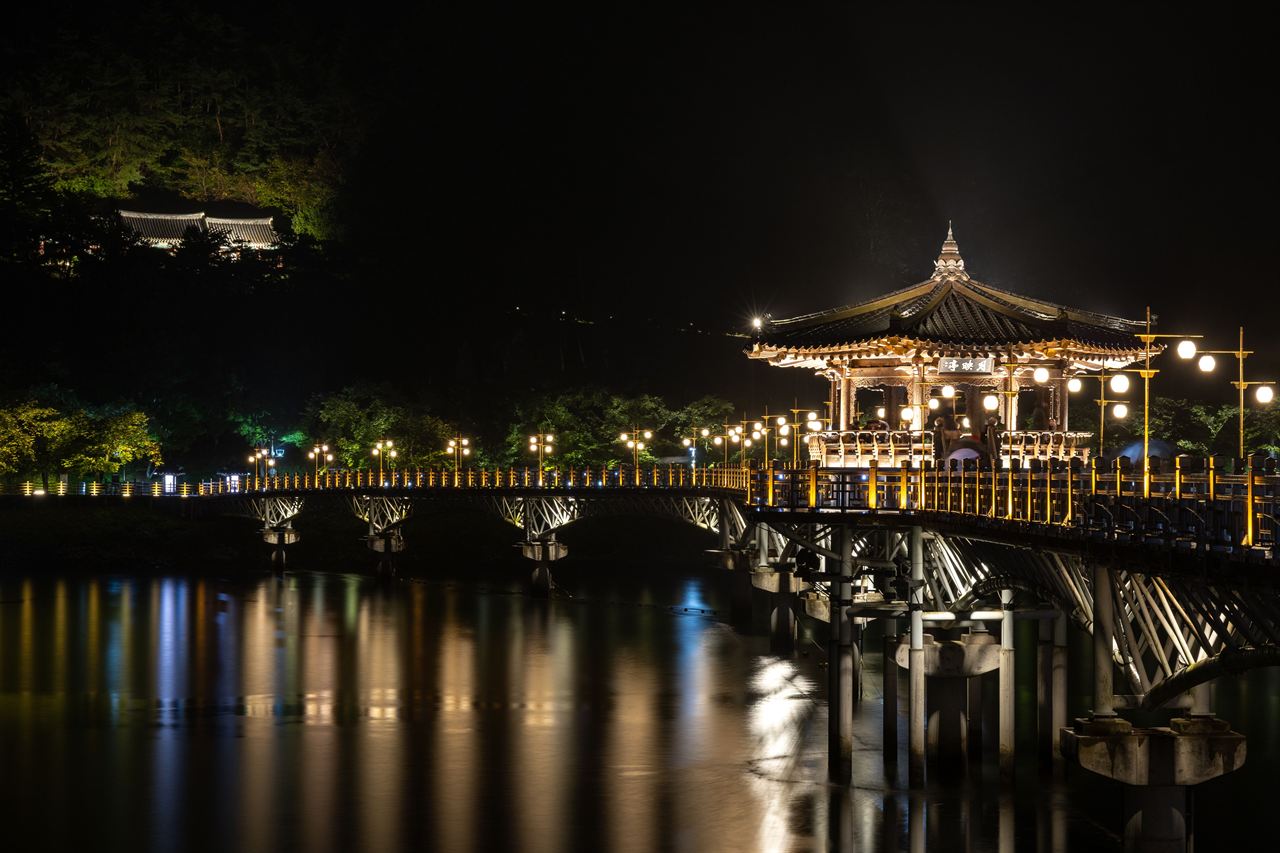
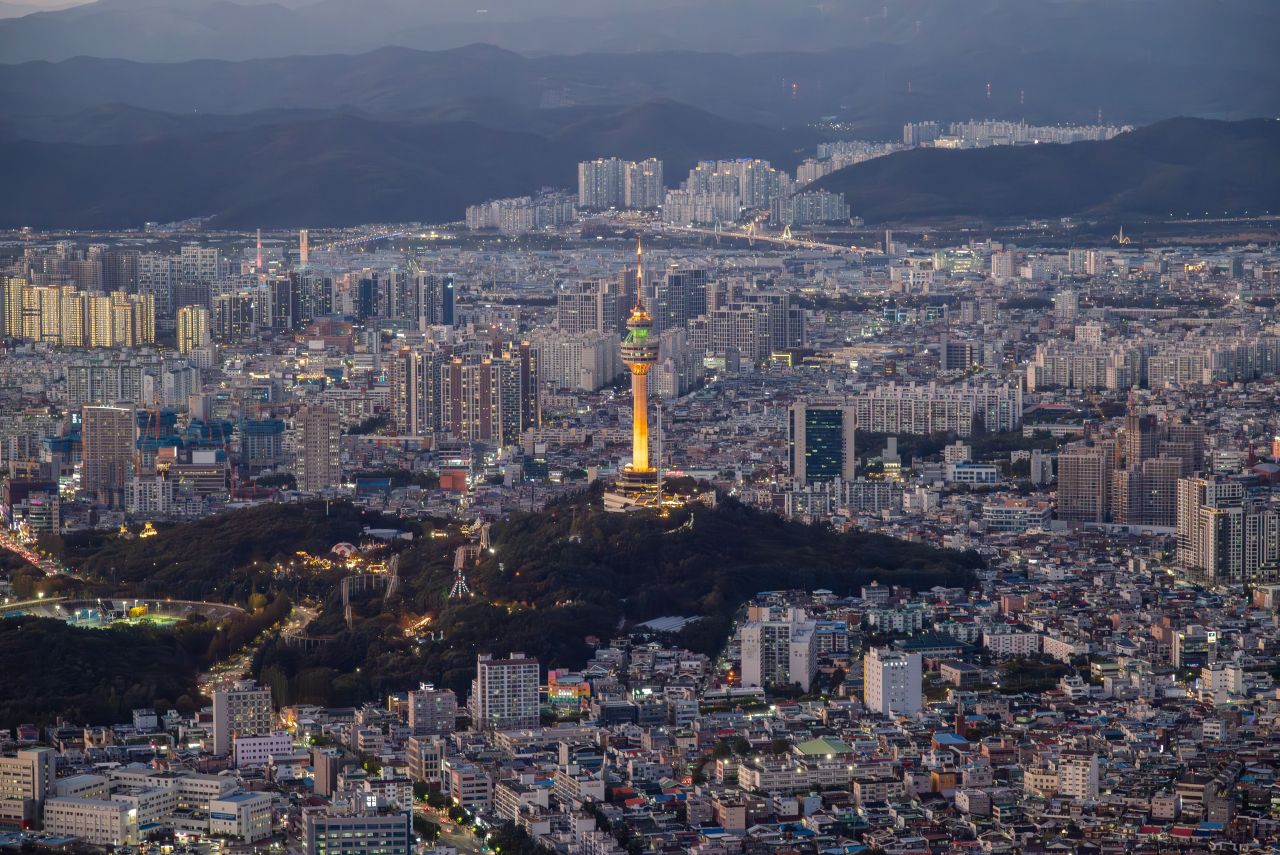
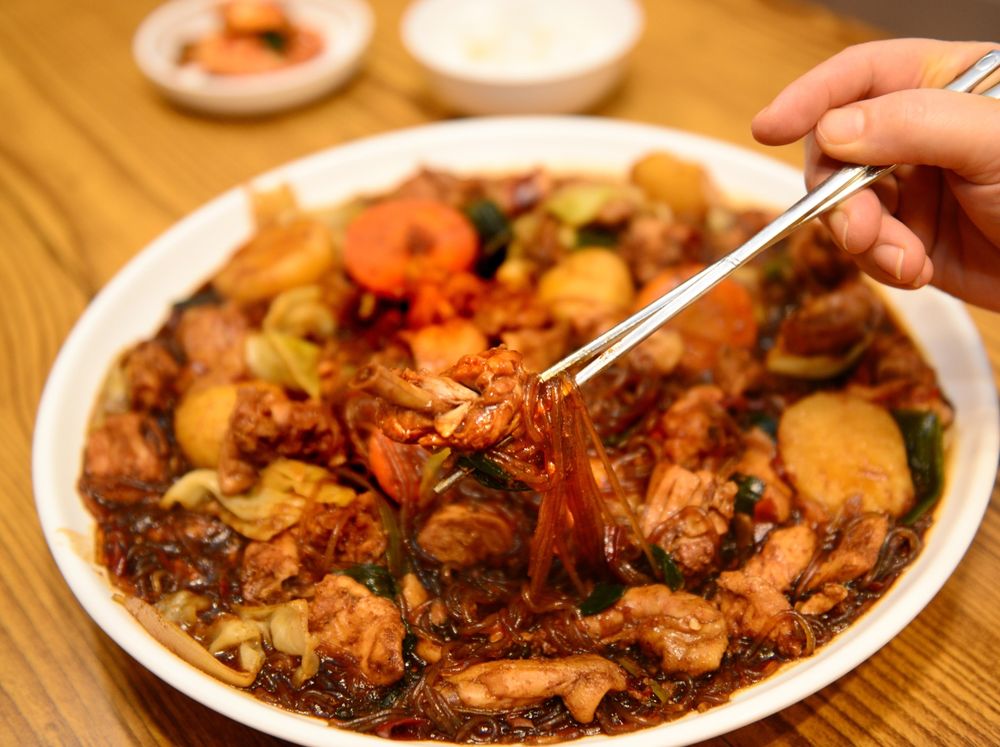
Gyeongsang-do is Korea's second major region, with a high concentration of modern big cities and important historic sites. Koreans often describe people from this region as strong and direct, but also passionate and warm-hearted.
Northern Gyeongsang (Gyeongsangbuk-do) is rich in historic sites. Gyeongju is known for preserving a thousand years of Silla history (57 BCE–935 CE). Andong is home to Hahoe Village (14th–15th centuries), a UNESCO World Heritage ↗ hanok village in a river bend where residents still live. The city also hosts an annual autumn Maskdance Festival ↗.
Southern Gyeongsang (Gyeongsangnam-do), together with Busan and Ulsan, forms a highly urbanized coastal belt with a mix of city life and natural landscapes.
South Korea's second-largest city, with beaches and plenty of coastal walks right in the city. Every fall it hosts the 10-day Busan International Film Festival ↗.
Where to work
Busanesscoworking · coliving
Main hub plus a dozen sub-workspaces and partners
24F, Asti Hotel, 7-8,Jungang-daero214beon-gil,Dong-gu, Busan
One of Korea's five largest cities, with developed urban infrastructure and a well-known coffee culture. With fewer tourists, it offers a more local urban experience. Mind that the city is surrounded by mountains and is known as one of Korea's hottest cities in summer, earning it the nickname "Daefrica."
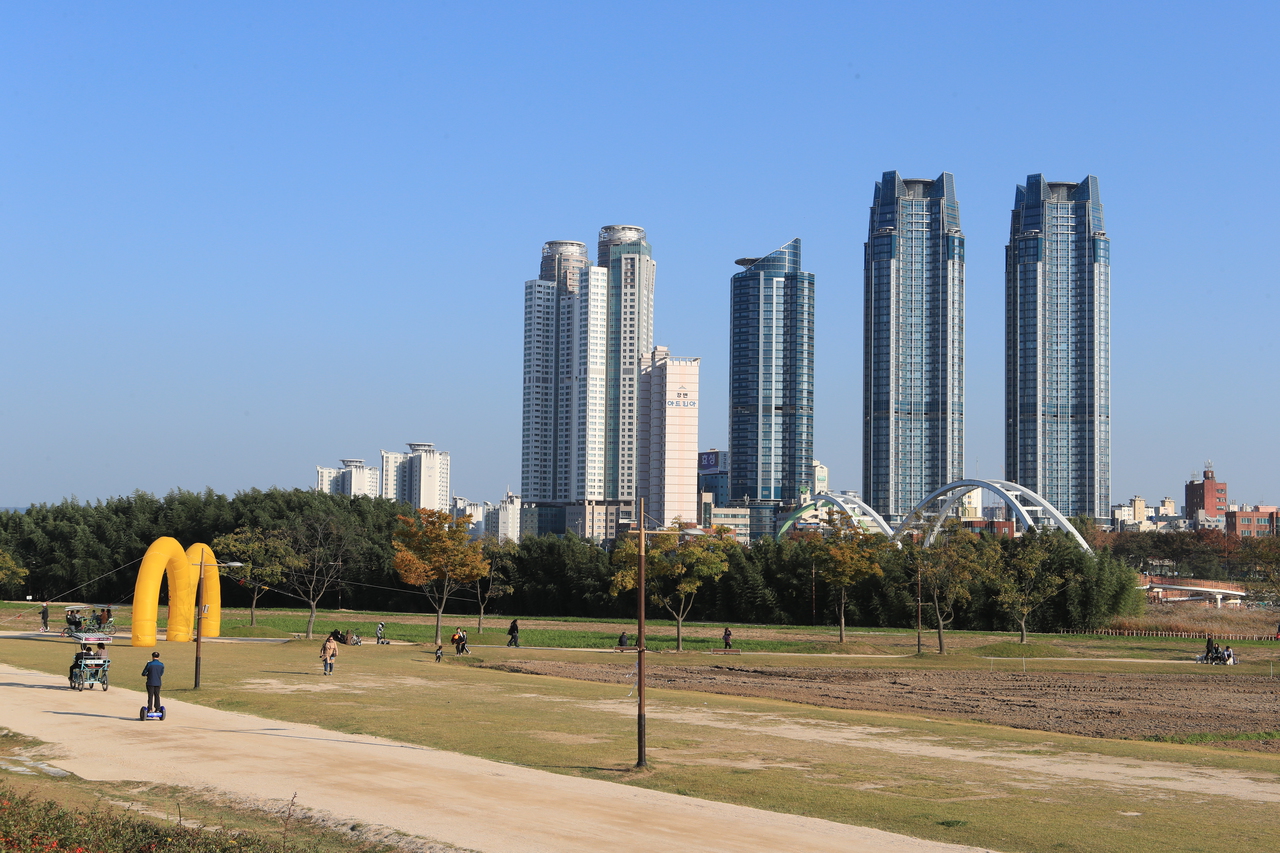
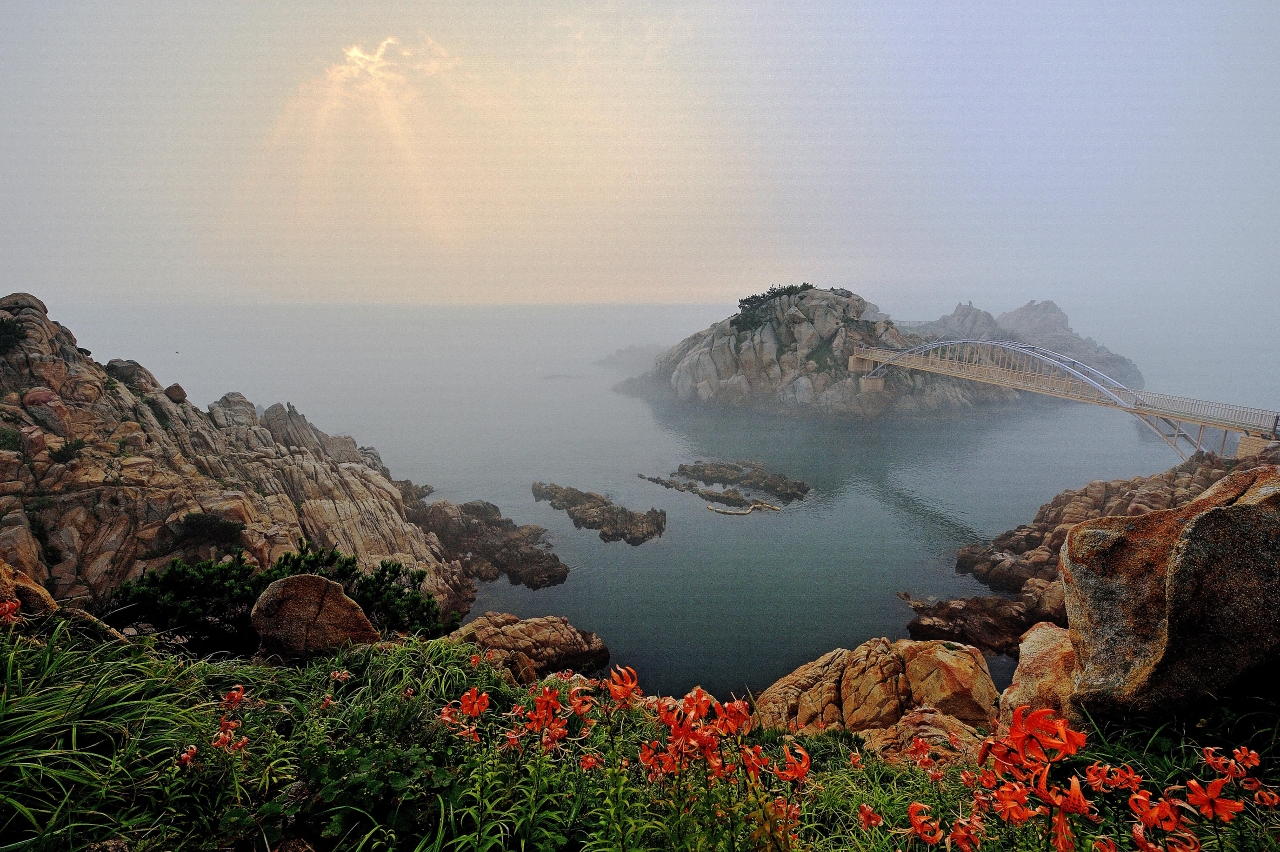
Best known as a shipbuilding and heavy-industry city, with Hyundai factories based here. It is also a less touristy coastal city than Busan, with several nature escapes nearby.
Getting around:Daewangam Park 1hbusYeongnam Alps 40 mincarBusan 20 mintrain
Gyeongju 경주시
~260K people
historic
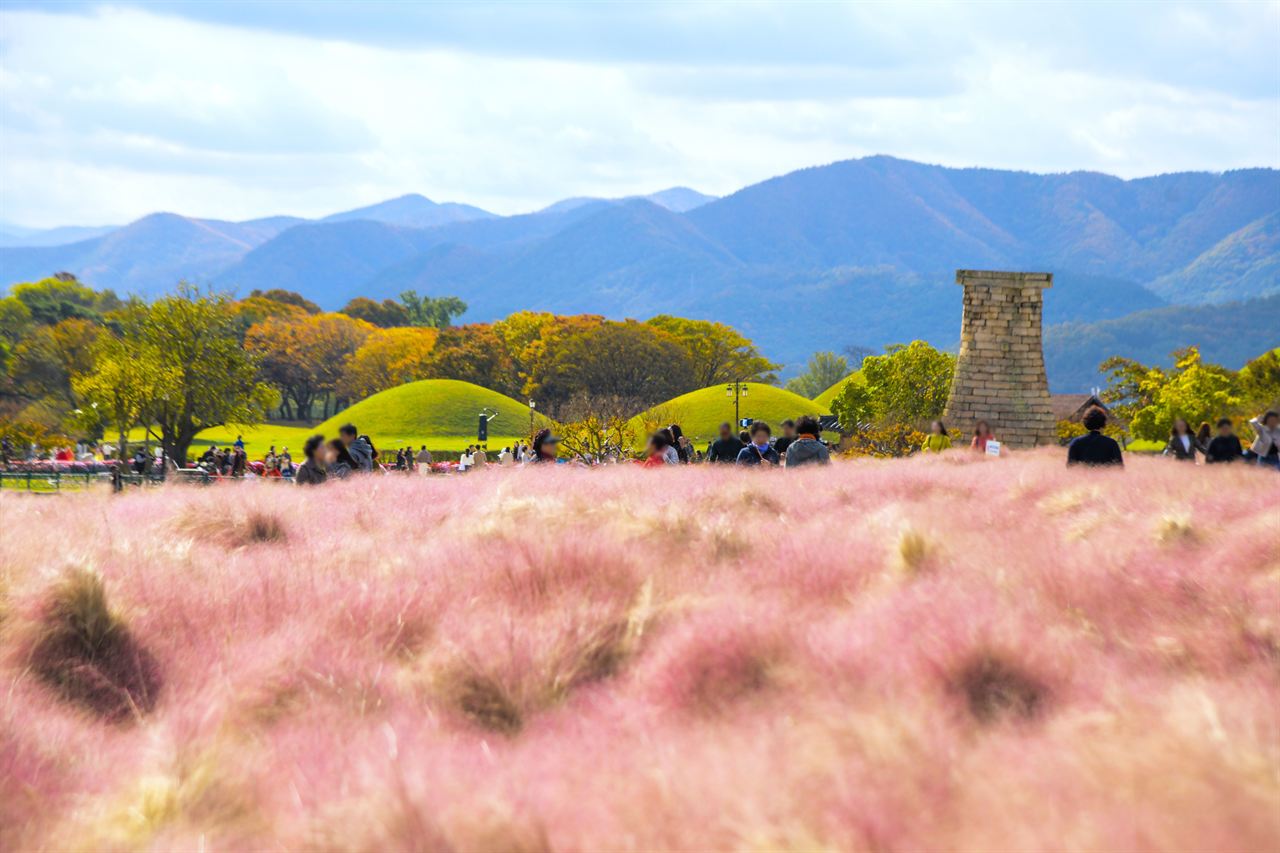
Former capital of the Silla kingdom, often described as a "museum without walls". The royal tombs are right in the city center, and ancient Bulguksa Temple nearby. It attracts visitors from Korea and abroad and gets especially crowded during the autumn foliage season.
Study-café data is a manual editorial estimate, last updated in October 2026. Live data currently unavailable.
Study-café data is a live qualitative estimate based on Kakao® Local API ↗ results.
Rental prices
Short-term stay, per month
₩1.1–1.5M
Typical size
24–33 m²
Upfront deposit
none
The prices shown are for decent furnished stays available to foreigners, without a large upfront deposit or long-term contract.
In this region, both Busan and Daegu have a good number of listings across foreigner-friendly platforms. Ulsan is more local-oriented, with more options on the 33m2 platform, and Gyeongju month-long stay options tend to be more family-oriented with larger floor space and higher rents.