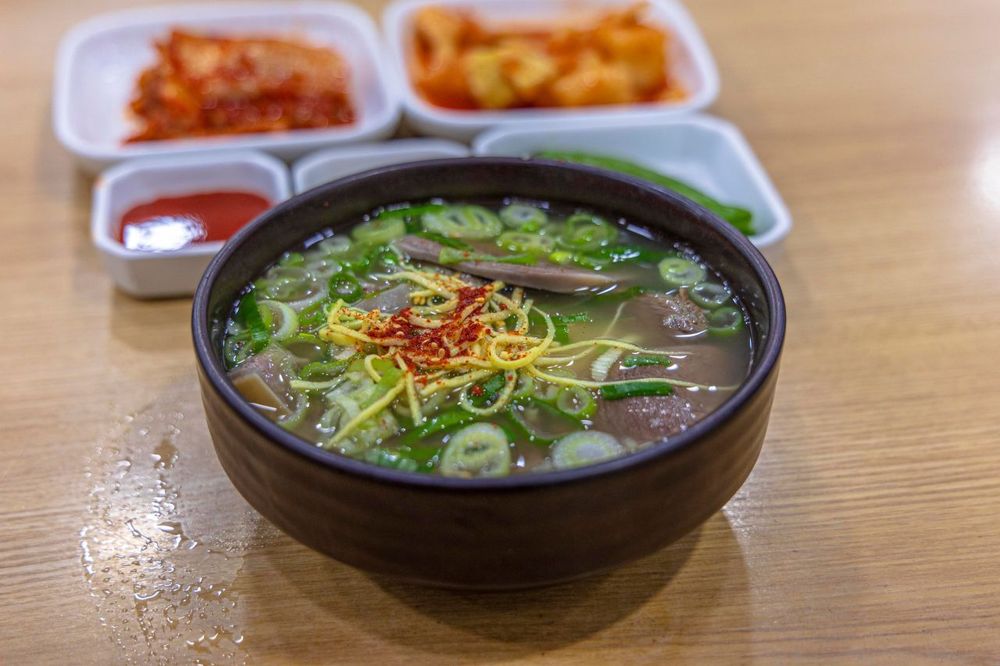
Jeolla-do is often considered Korea's gourmet food region.
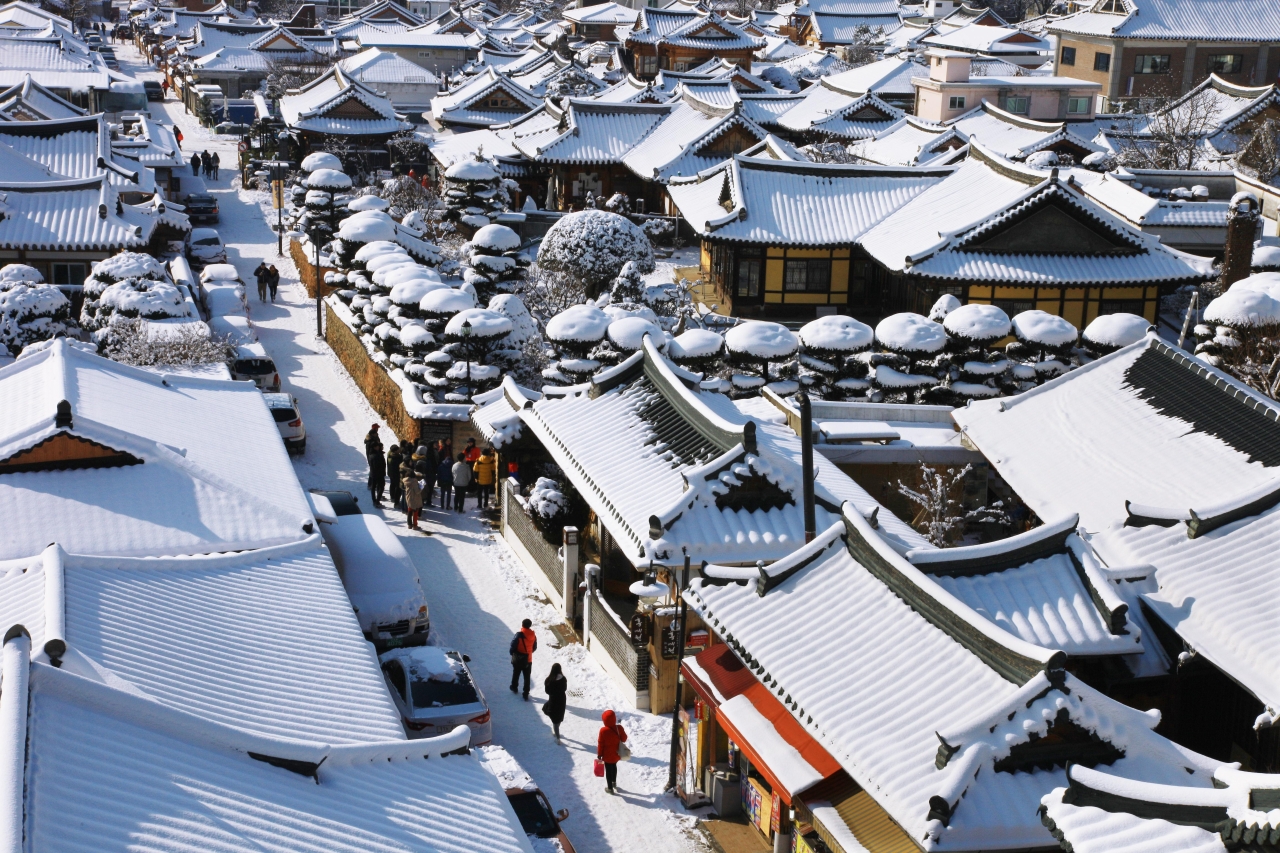
Northern Jeolla (Jeollabuk-do) is closely associated with the origins of the Joseon dynasty, which ruled Korea for almost five hundred years. It is also home to the largest urban hanok (traditional Korean house) village.
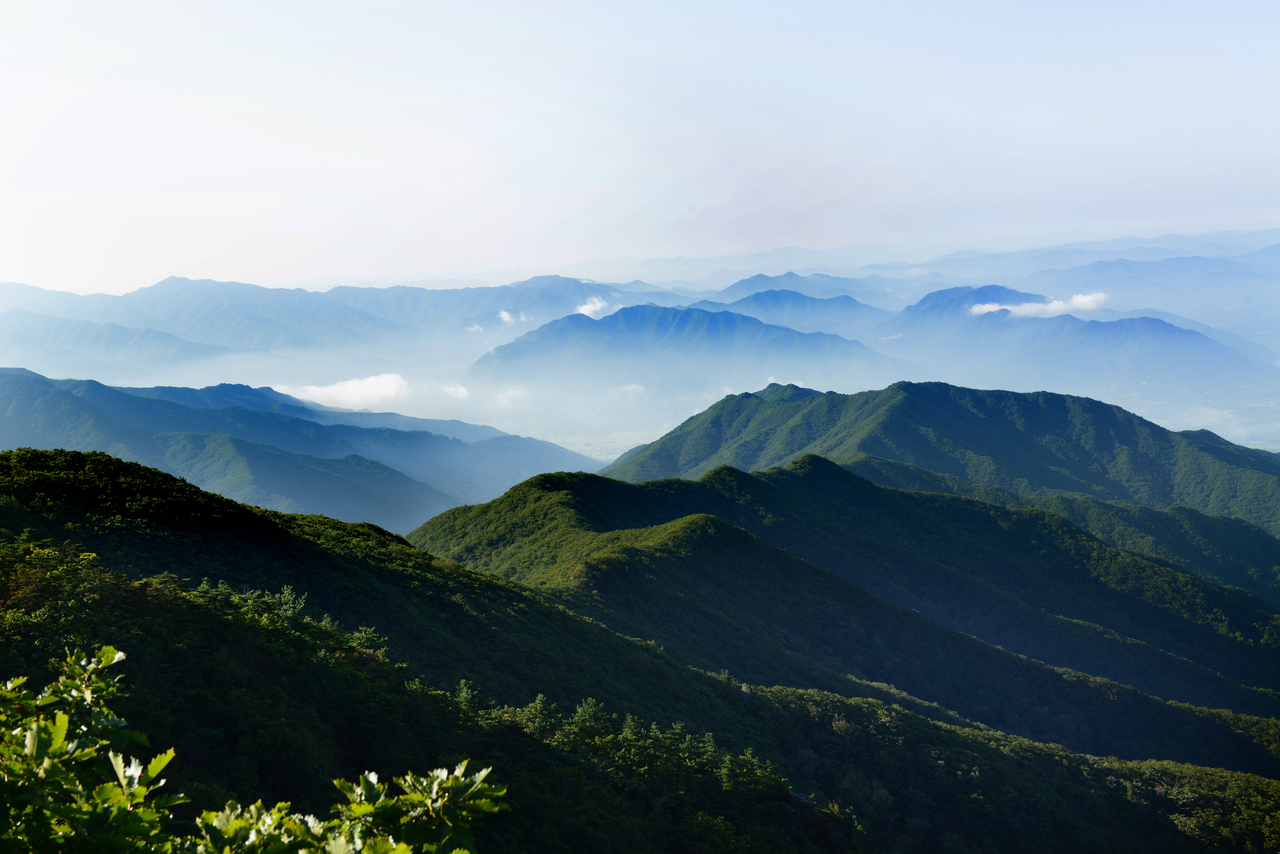
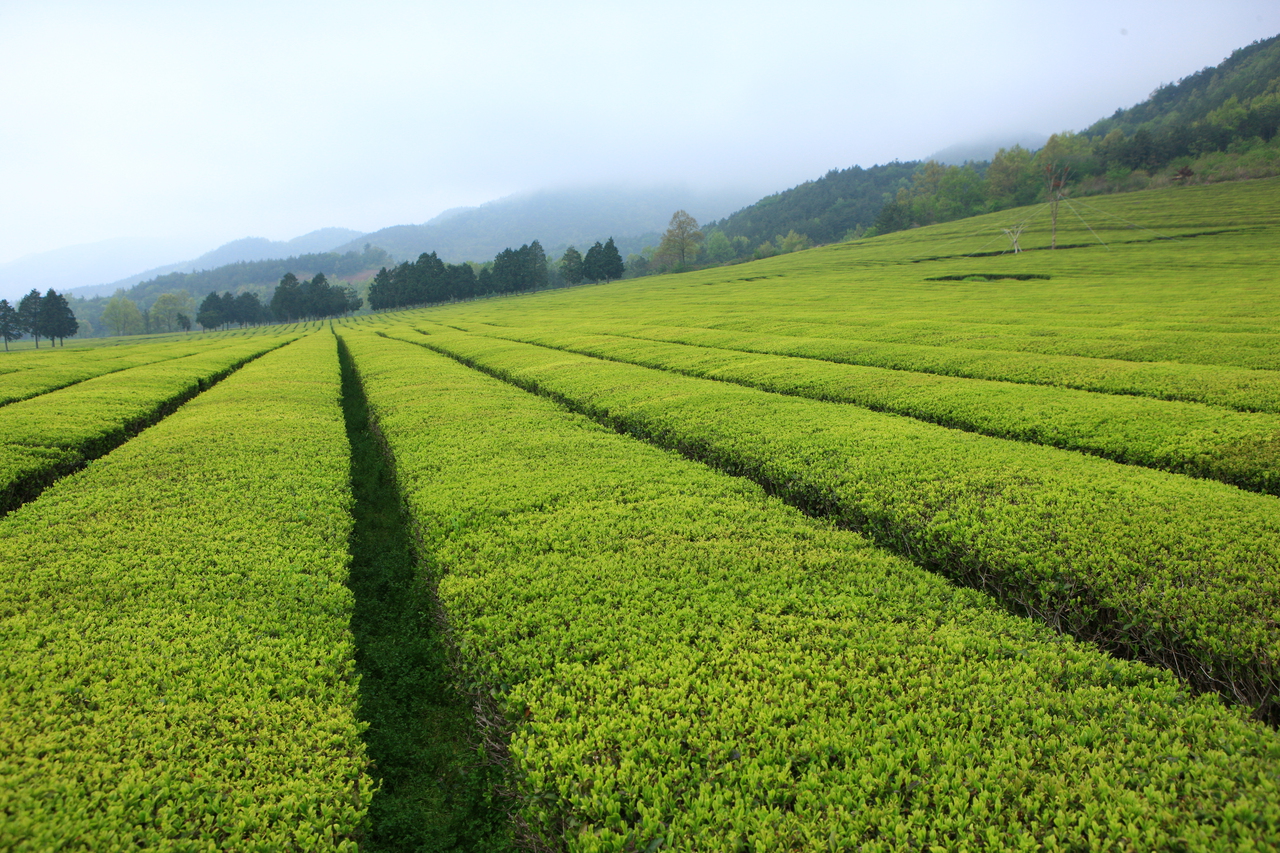
Southern Jeolla (Jeollanam-do) combines Gwangju, a major center of democracy and the arts, with a more natural landscape: Jirisan, the highest peak on the Korean mainland, Boseong's green tea plantations, national parks and night sea views.
Keep in mind that getting around the region can be less convenient than getting to Seoul or Busan.
The origin of the Joseon dynasty and home to Korea's largest hanok village. A designated UNESCO City of Gastronomy ↗ and one of Korea's most popular tourist destinations, so don't expect it to be quiet.
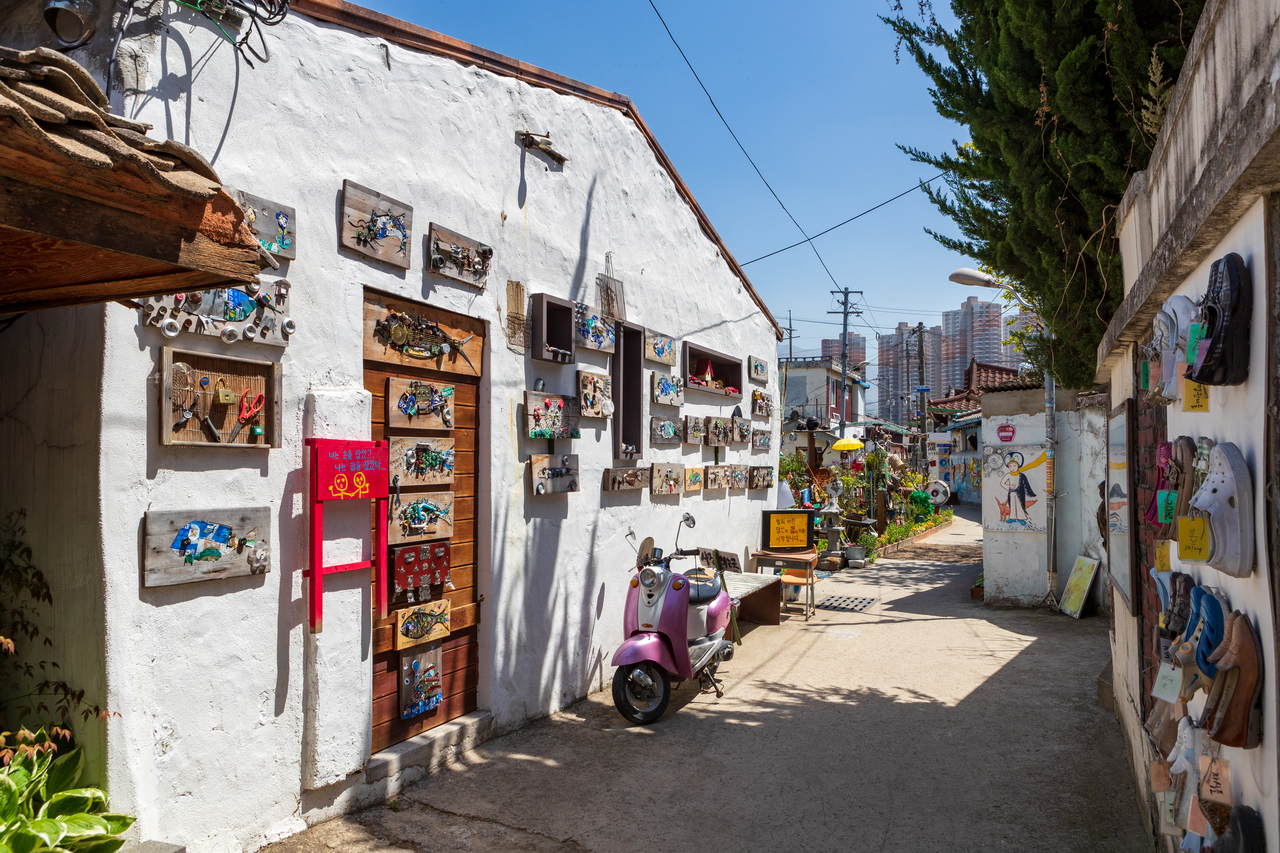
Jeolla-do's largest city, an important site in Korea's modern democratic history and home to the Gwangju Biennale ↗, a major contemporary art event. A convenient base for hiking in the surrounding mountains.
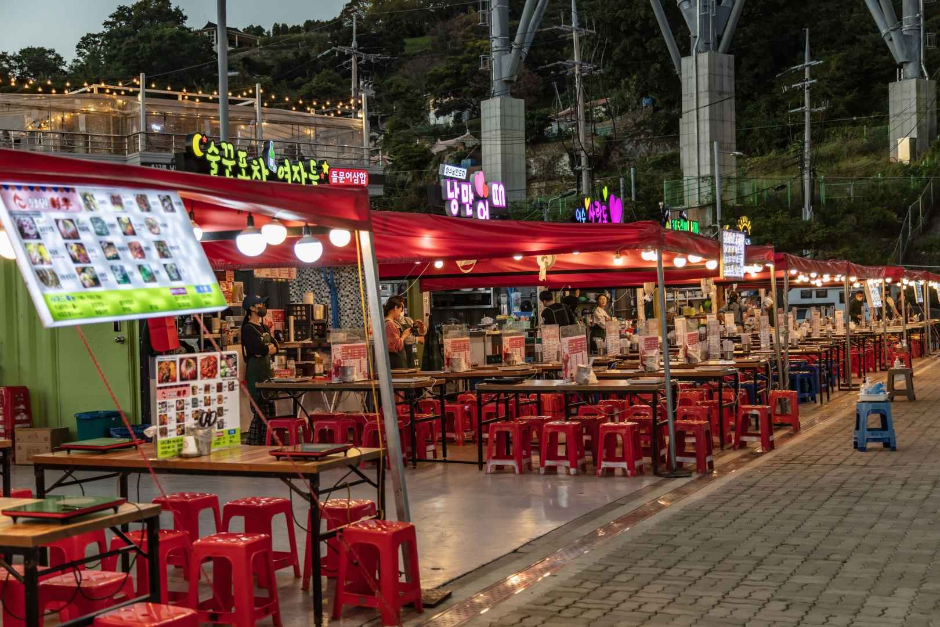
An aging coastal city surrounded by islands, known for its night sea views and seafood. Yeosu hosted the 2012 World Expo and has a long history as an important naval city. With its romantic cart bars it is a popular weekend destination for couples from bigger cities.
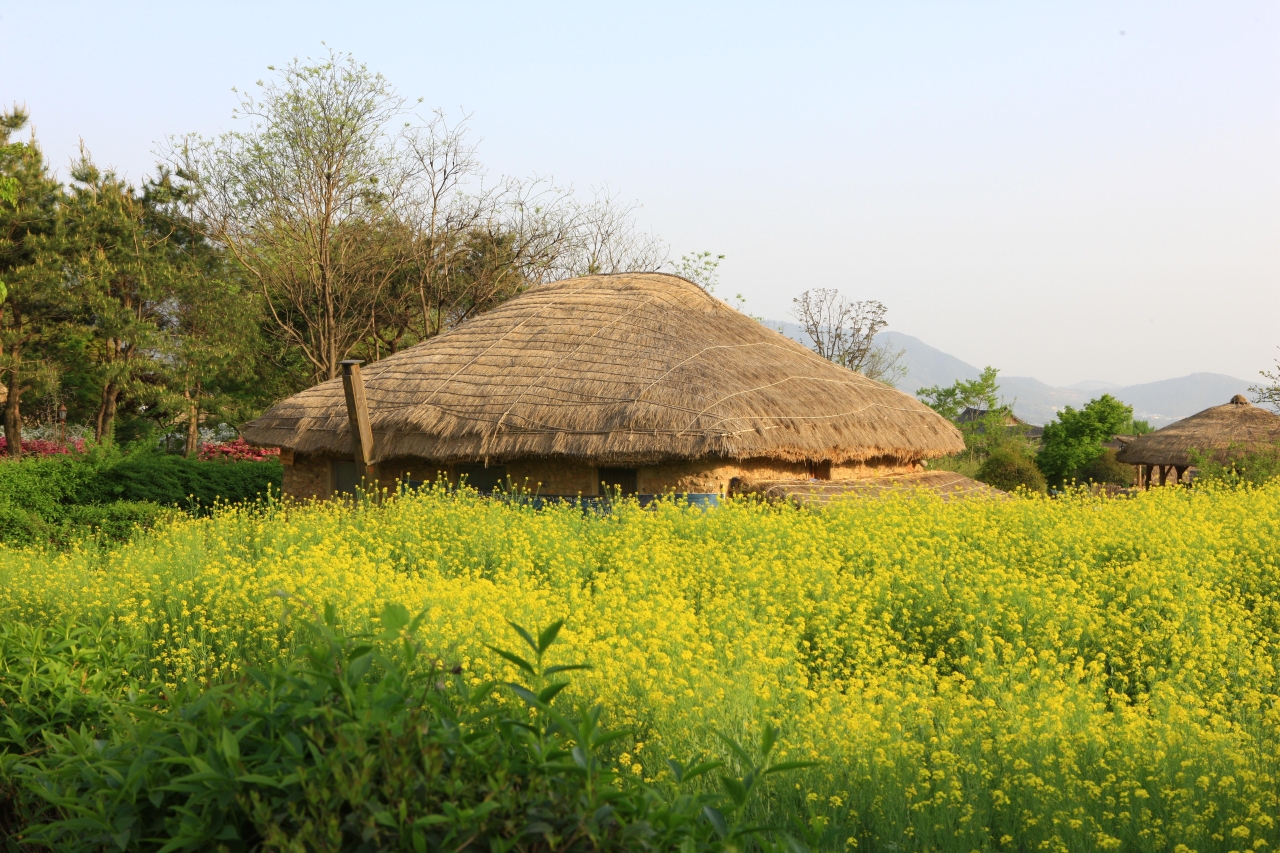
A good base for exploring the region's natural attractions such as Suncheonman Bay and Boseong tea plantations. Also close to Naganeupseong Walled Town, a preserved Joseon-era village showing how ordinary people lived, with residents still living there today.
Study-café data is a manual editorial estimate, last updated in October 2026. Live data currently unavailable.
Study-café data is a live qualitative estimate based on Kakao® Local API ↗ results.
Rental prices
Short-term stay, per month
₩800K–1.2M
Typical size
20–40 m²
Upfront deposit
none
The prices shown are for decent furnished stays available to foreigners, without a large upfront deposit or long-term contract.
The majority of listings lack a dedicated computer desk. Overall, options are quite limited across the region with somewhat better coverage in Jeonju and Yeosu. Suncheon shows decent budget stays mainly on the local-oriented 33m2 platform, while Gwangju is the most local-oriented of them all — the majority of short-term stays are 2–3 room apartments with ~₩1.8M rent.
A few handpicked representative dishes, each associated with a city known for them
spicy ingredient
Jeonju
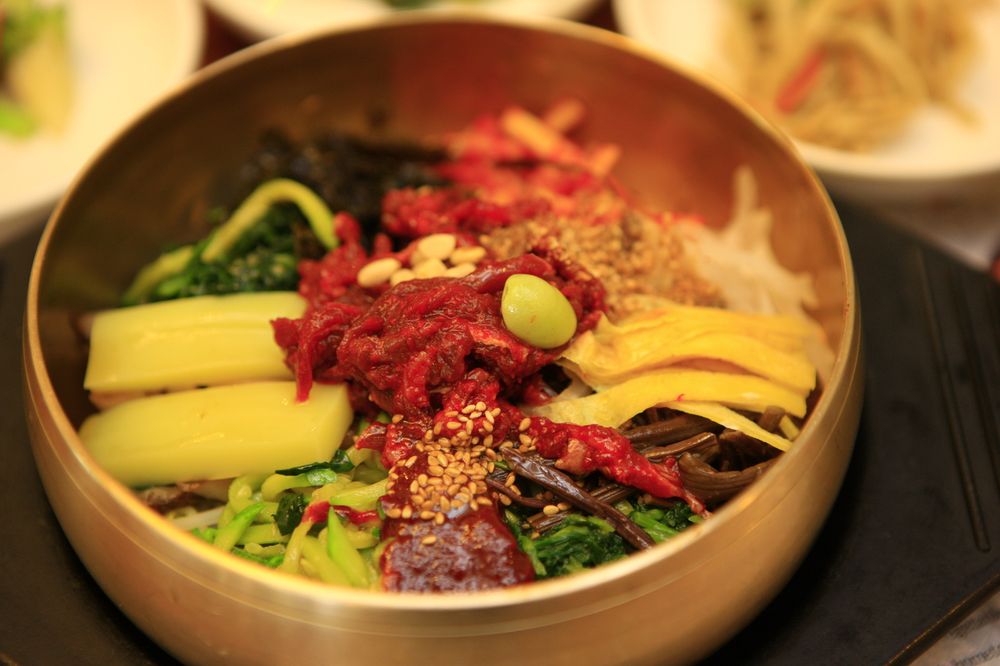
Jeonju Bibimbap 전주비빔밥
Steamed rice cooked in beef broth, topped with vegetables, beef, egg and yellow mung bean jelly. Served with red chili paste (spicy). Mix well before eating.
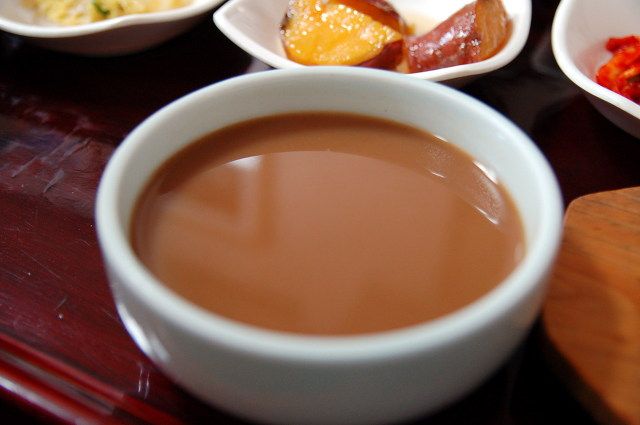
Low-alcohol drink made by simmering makgeolli (Korean rice wine) with herbs and spices like ginger, jujube and cinnamon. Sweet, with a strong cinnamon flavor.
spicy ingredient
Gwangju
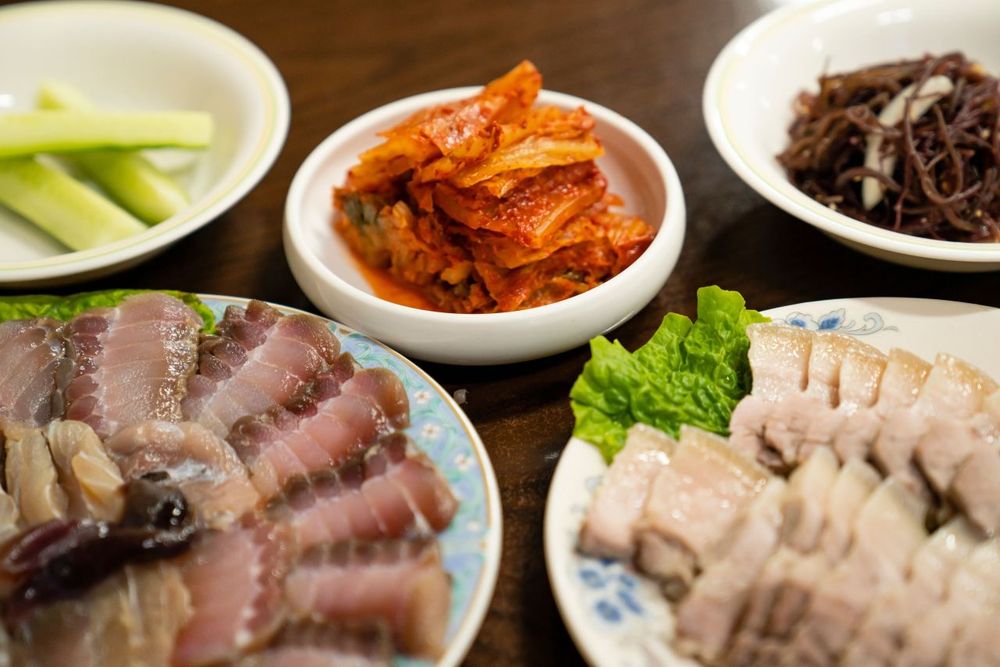
Hongeosamhap 홍어삼합
Fermented skate and boiled pork served with aged kimchi (spicy). Often paired with makgeolli.
Gwangju
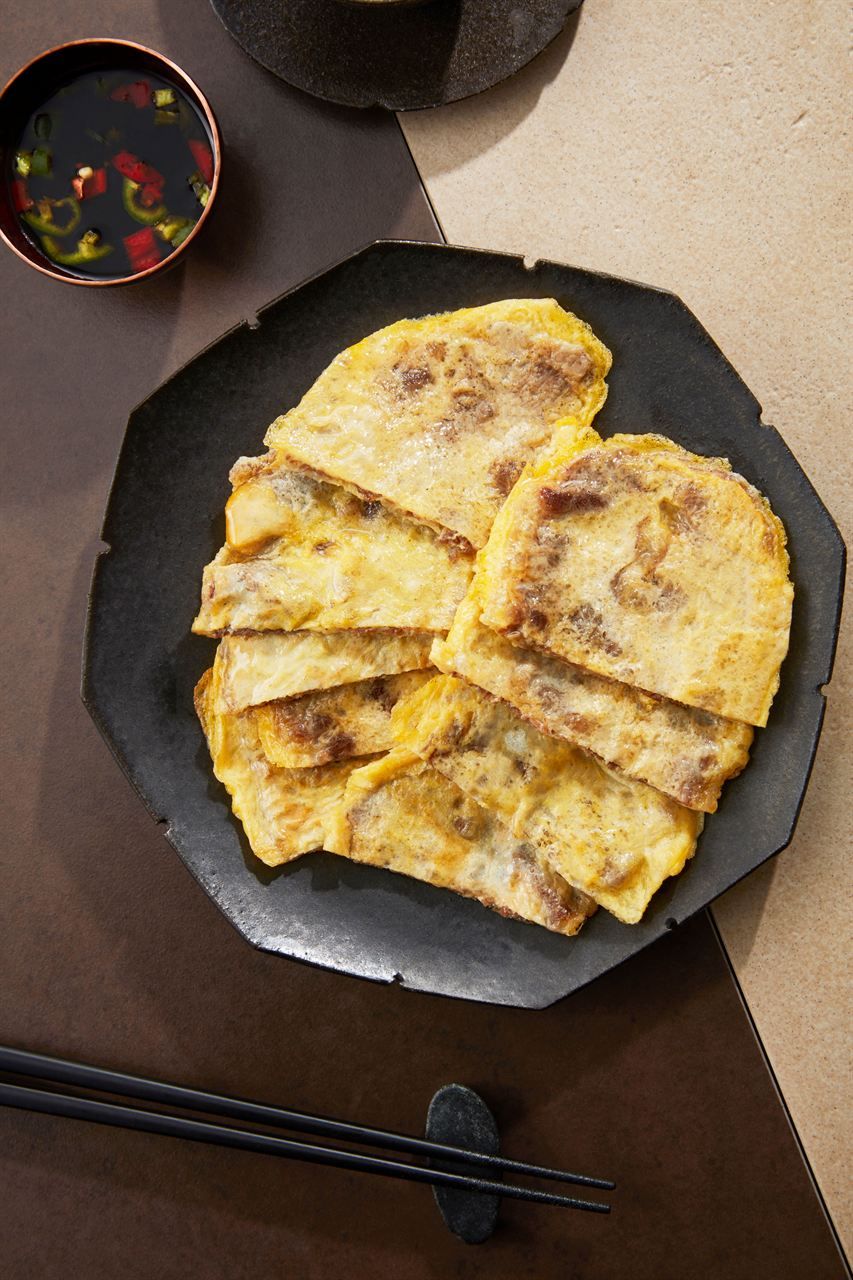
Yukjeon 육전
Pan-fried egg-battered beef sliced into bite-sized pieces and served with soy-based dipping sauce and green onion salad. Best while warm.